
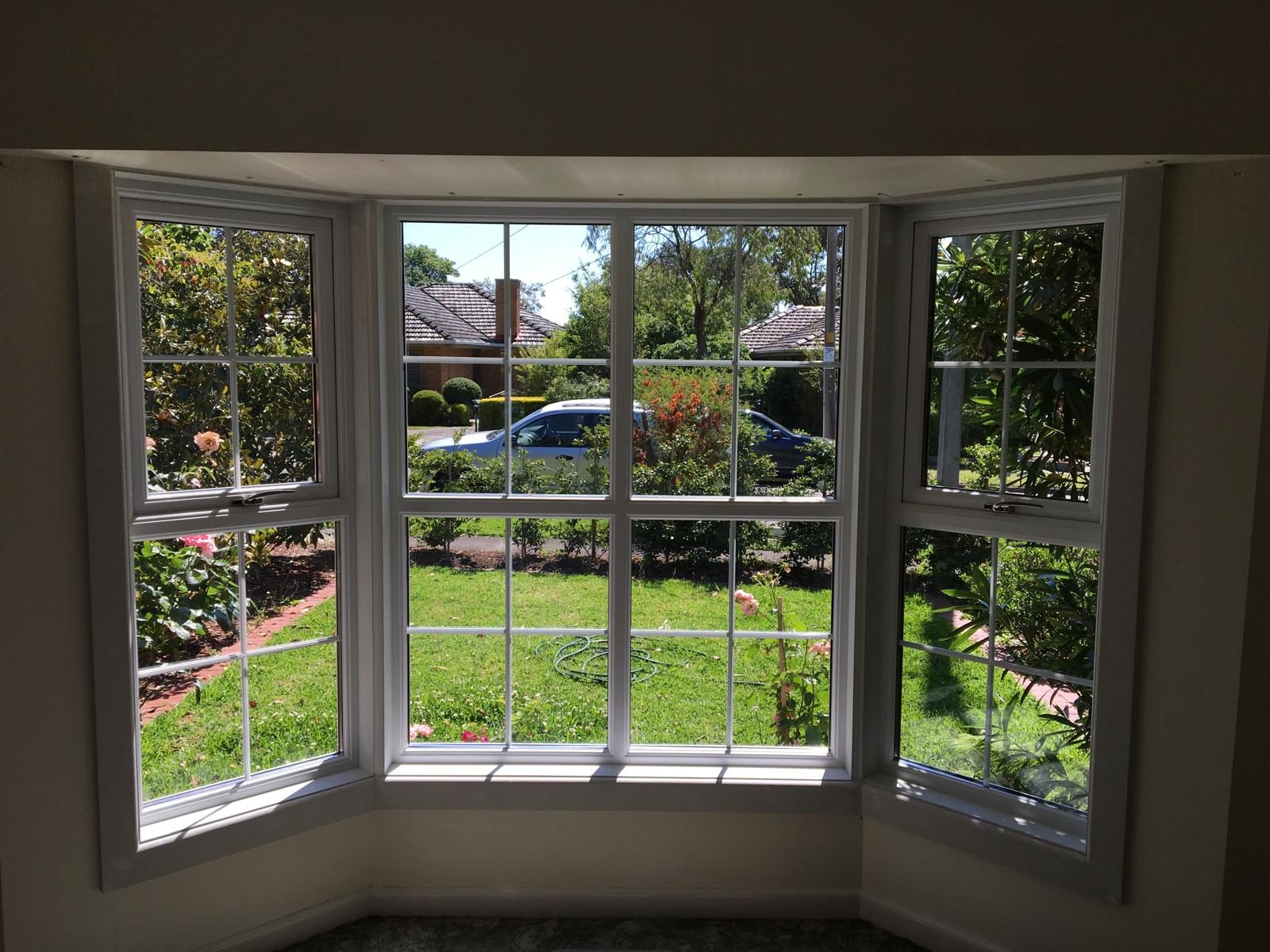
Glazing options
The glass is where the performance lives.
Two windows can look identical and behave completely differently. These are the glazing options we specify — and what each one actually changes.
Inside the unit
Four make-ups, four different results.
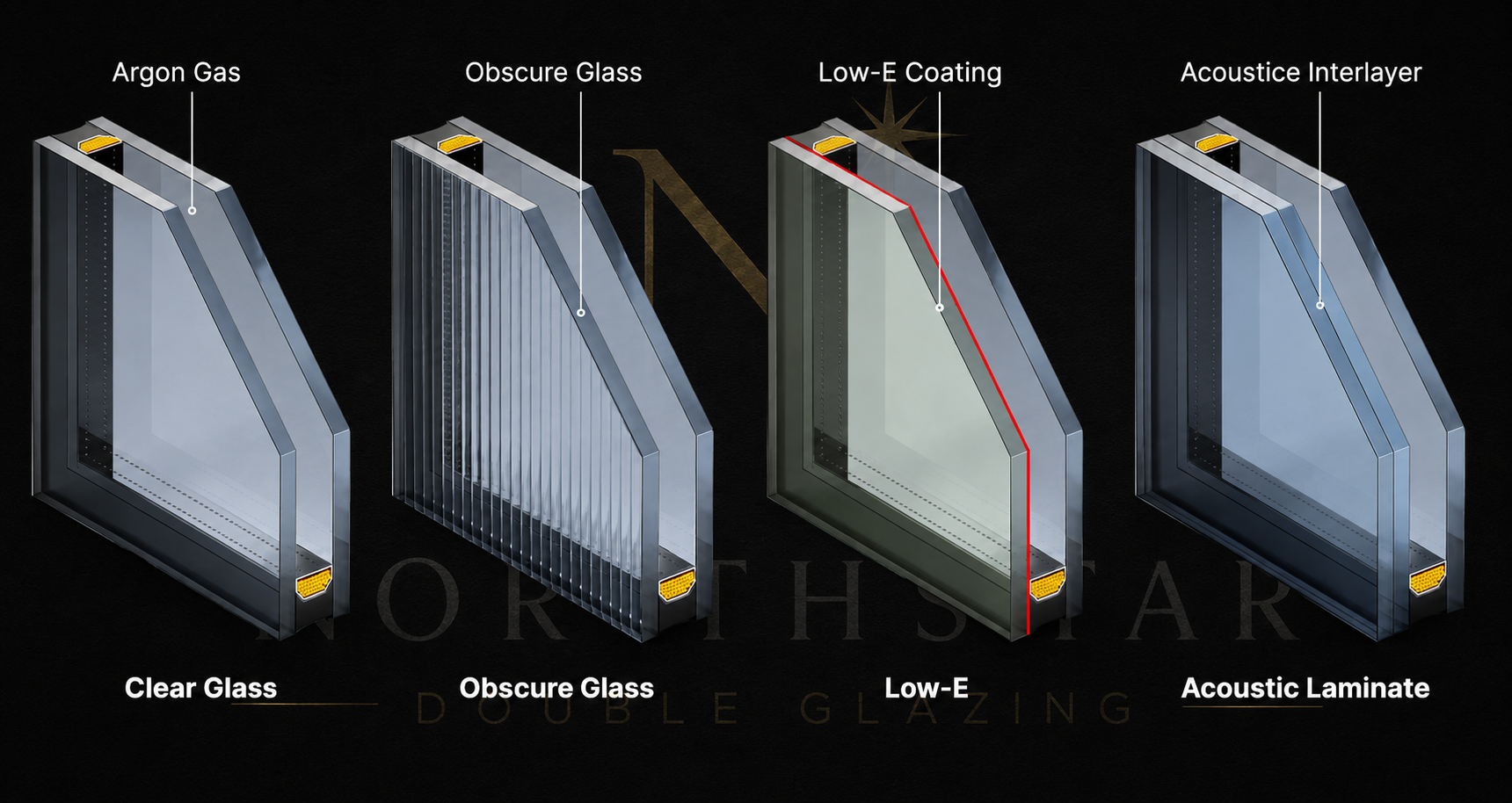
Standard double glazed unit
Two panes of glass separated by a sealed, spacered cavity. The cavity is what does the work — it slows heat transfer and dampens sound compared with a single pane. This is the baseline on every Northstar window and door, and toughened glass is used as standard.
Low-E glass
A microscopically thin, virtually invisible coating that reflects radiant heat back to where it came from — keeping winter warmth inside and summer heat out — while still letting daylight through. The single most effective glazing upgrade for a Melbourne home.
Argon gas fill
The cavity is filled with argon, a heavier and less conductive gas than air. It reduces convection inside the unit and improves the thermal performance of the glazed area without changing how the window looks.
Triple glazing
Three panes and two sealed cavities, available on request where thermal or acoustic demands are higher than a double glazed unit can meet. Triple glazing is an option rather than our standard specification, and we will tell you honestly whether your openings will benefit from it.
Acoustic glazing
Laminated and asymmetric glass make-ups, where the two panes differ in thickness, disrupt sound waves far more effectively than matched panes. Specified for homes on main roads, tram routes and under flight paths.
Toughened & laminated safety glass
Toughened glass is standard across our windows and doors: it breaks into small blunt pieces rather than large blades. Laminated glass holds together on an interlayer and can be specified on any opening where extra security, acoustic performance or UV filtering matters.
Obscure & decorative glass
Frosted, satin, reeded and patterned glass for bathrooms, ensuites, entry doors and boundary-facing windows — privacy where you need it without giving up natural light.
Privacy glazing
Privacy without losing the light.
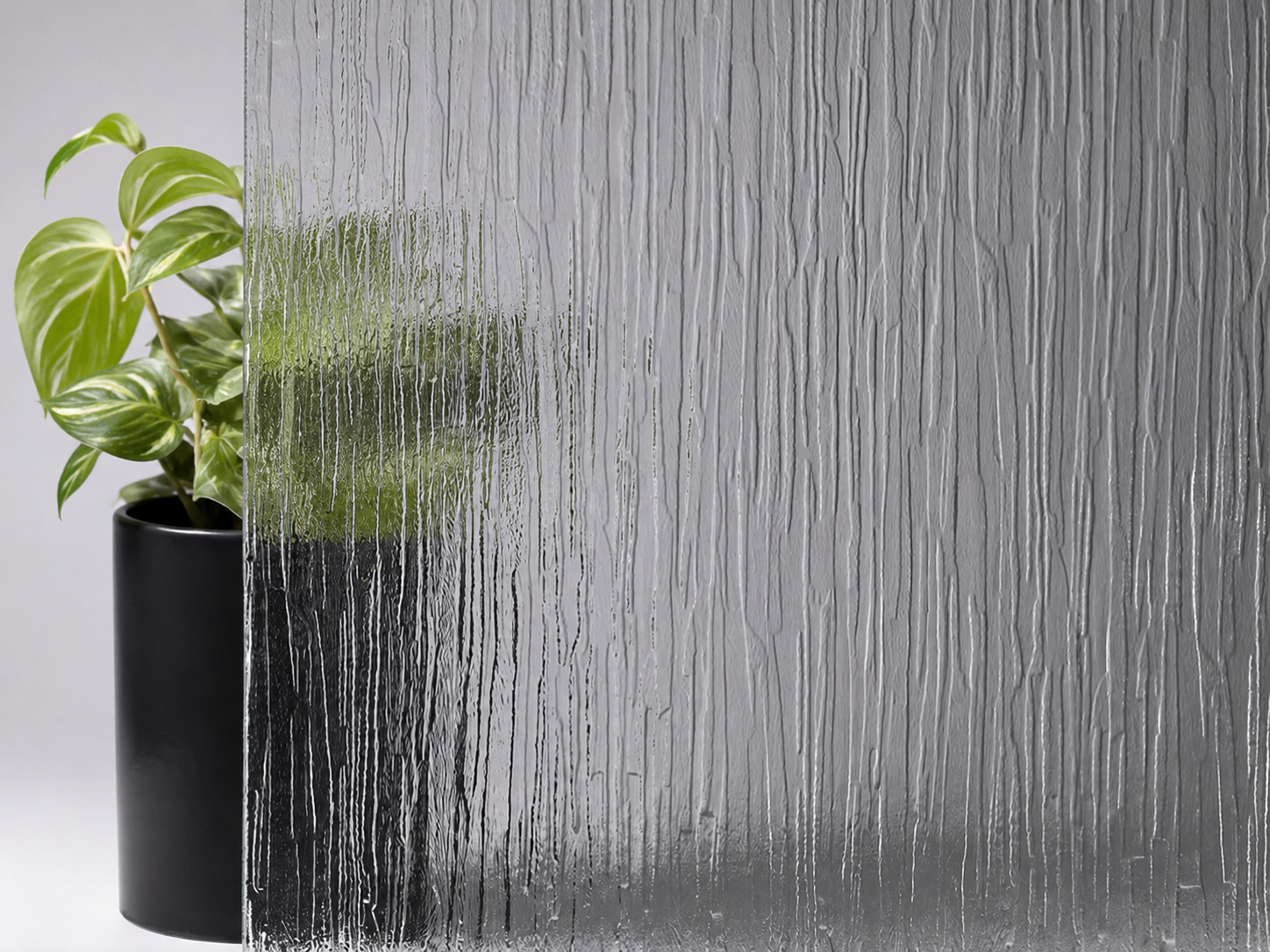
Cotswold
Full privacy with even light transmission — bathrooms and ensuites.
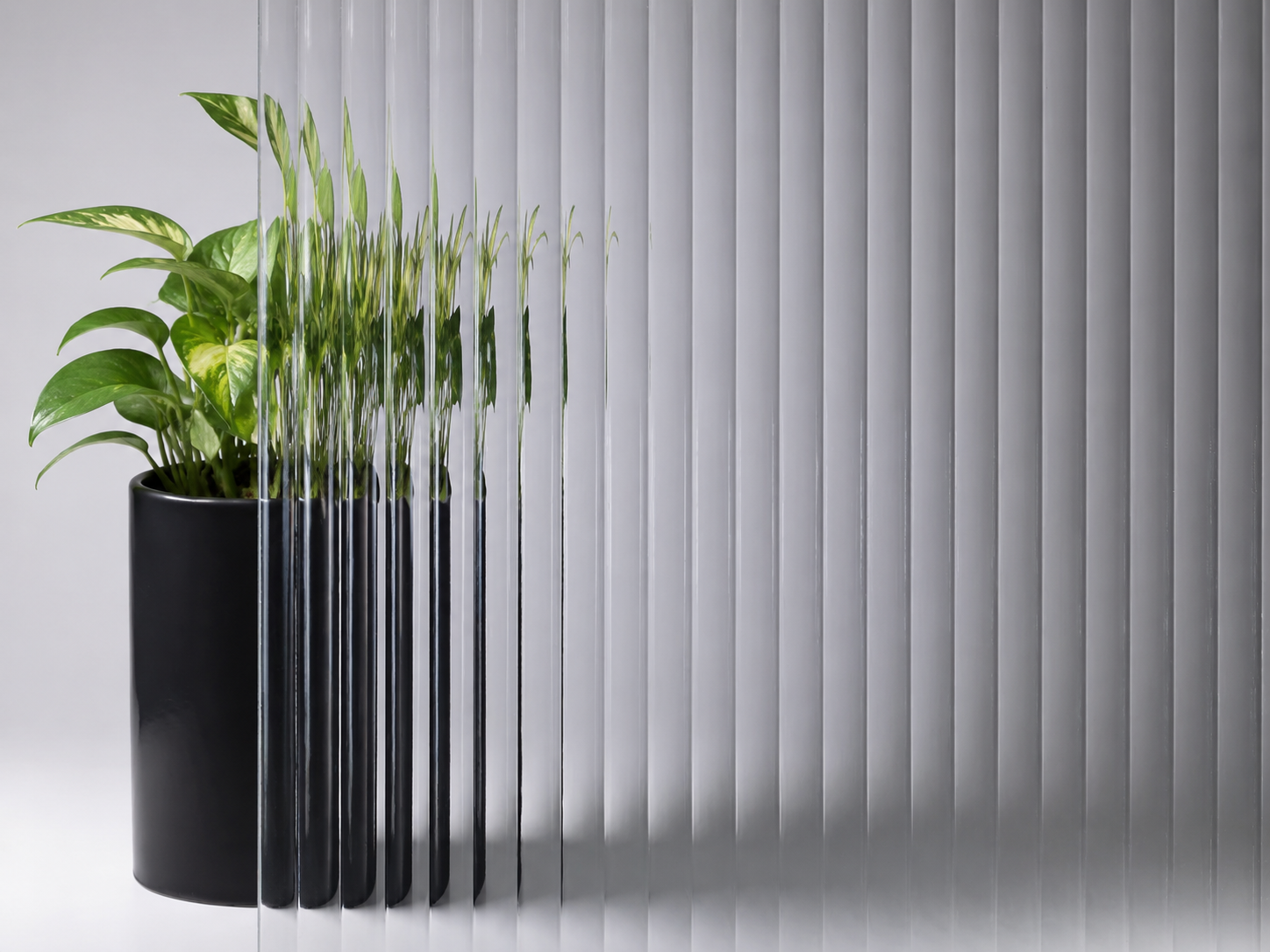
Narrow reeded
Fine vertical fluting; a contemporary look with strong privacy.
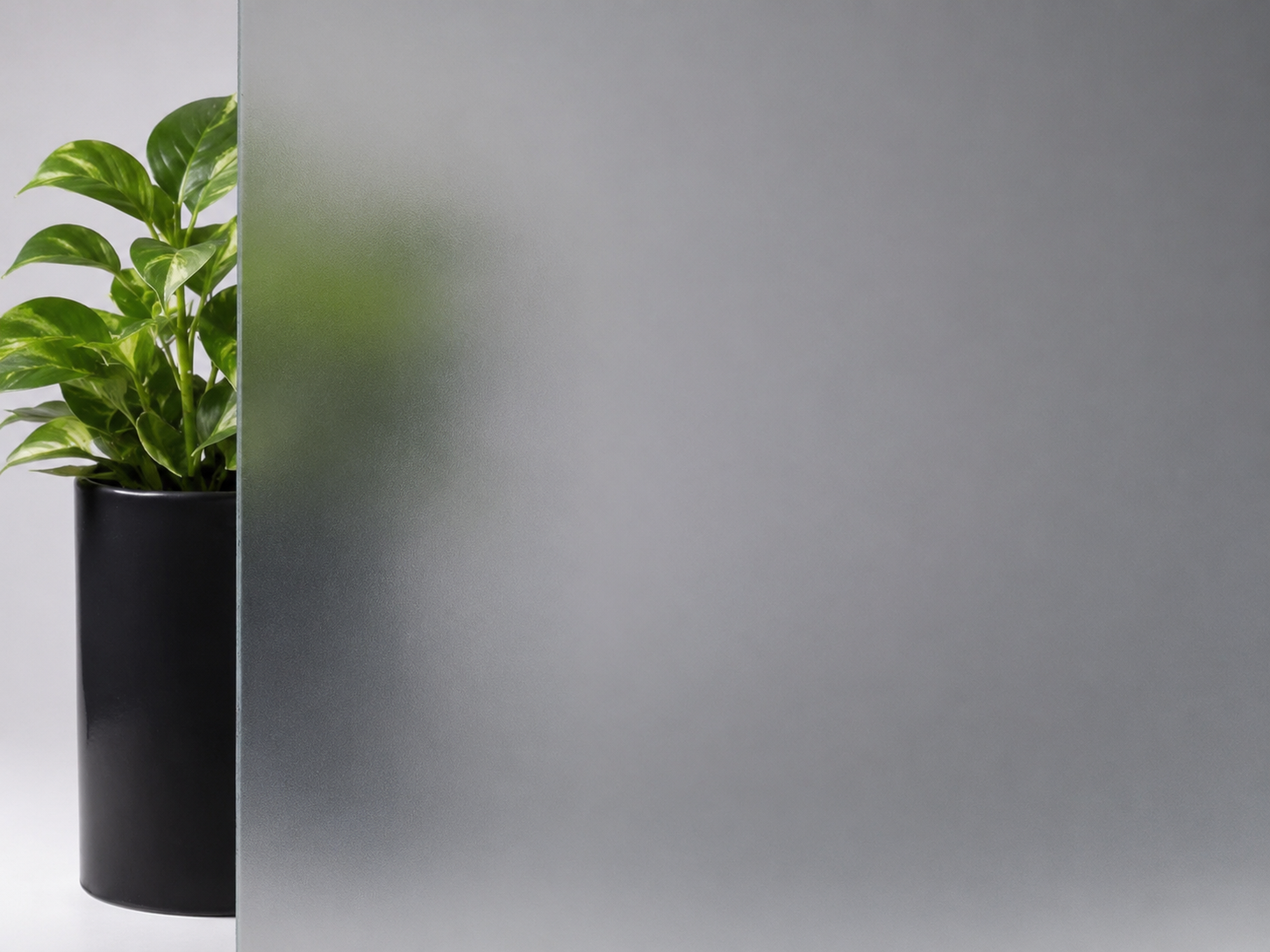
Translucent
Softens the view without darkening the room — boundary-facing glazing.
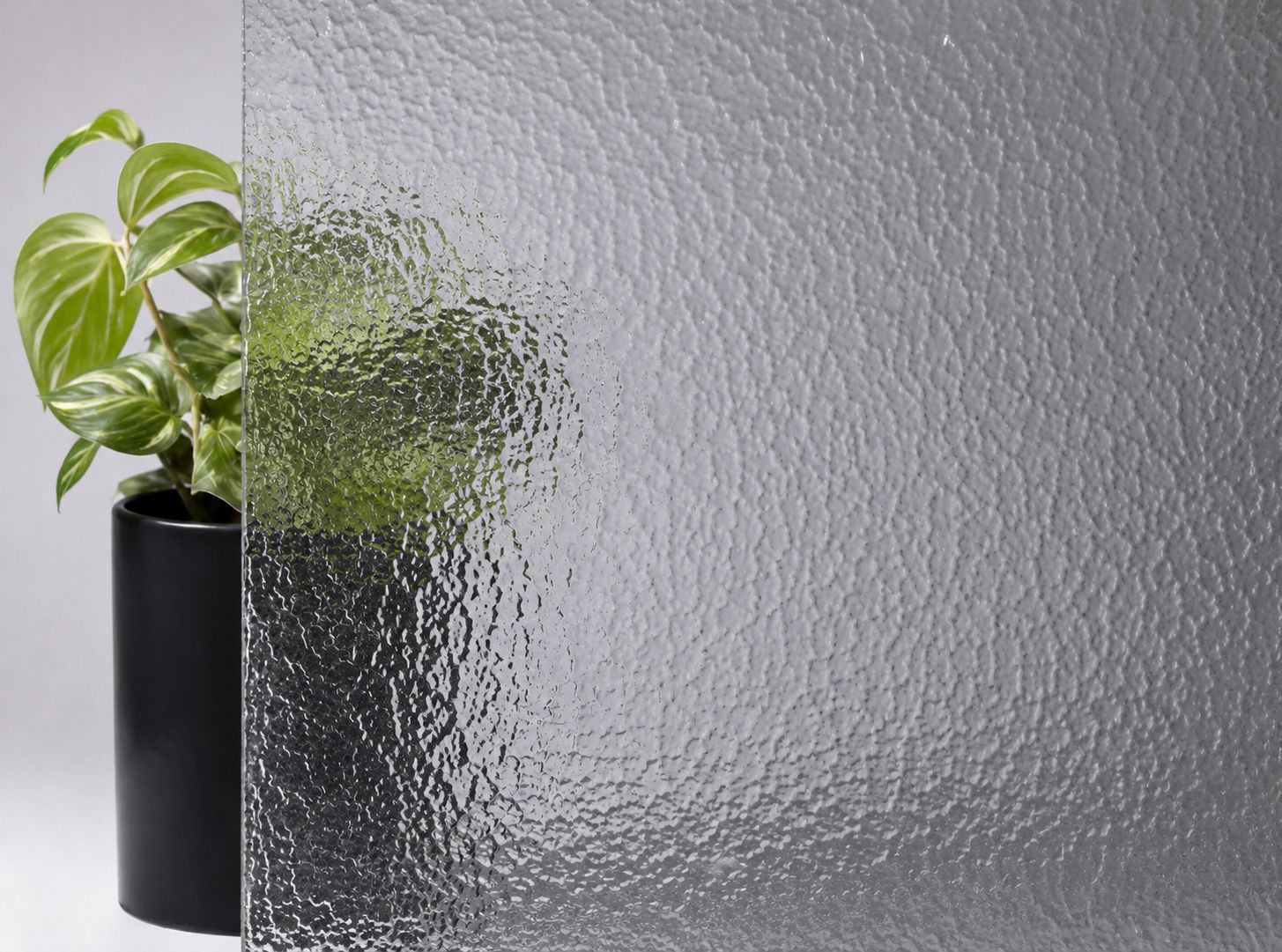
Cathedral
A traditional patterned finish that provides privacy while allowing natural light through.
Security
Locked at every point, not just the handle.
European uPVC systems were engineered around security as much as insulation. The locking hardware and the glass work together — and both are specified per opening.
Multi-point locking
A standard window latches in one place. Turn the handle on a Northstar window or door and the mechanism throws bolts, hooks or cams at several points around the full perimeter of the sash simultaneously — top, bottom and up the closing edge. There is no single weak point to lever against, and the force needed to break in rises sharply because an intruder has to defeat every locking point at once.
Reinforced frames & secure hardware
Multi-point locking is only as strong as what it locks into. The uPVC profiles are multi-chambered and steel reinforced where the hardware fixes, hinges are concealed or security-rated, and key-lockable handles, restricted-opening limiters and child-safe options are available on any opening. Sliding and lift & slide doors use hooked or shoot-bolt locking that resists both levering and lifting off the track.
Toughened glass
Northstar uses toughened glass as standard. Toughened (tempered) glass is heat-treated to be several times stronger than ordinary glass of the same thickness. It resists impact far better, and if it does fail it breaks into small blunt granules rather than large blades — which is why the Australian Standards require it in doors, low-level glazing and wet areas.
Laminated glass
Laminated glass is two panes bonded to a tough interlayer. Break it and the glass stays stuck to the interlayer instead of falling out of the frame, so the opening remains a barrier — it takes sustained, noisy effort to get through. Laminated glass is an excellent option for ground-floor openings, side and rear elevations, and other areas that may be less visible from the street. It also cuts noise and filters out over 99% of UV, so it protects flooring and furnishings at the same time.
All Northstar windows, doors and glass are manufactured to the relevant Australian Standards, and safety glazing is specified wherever those standards require it. Sliding and lift & slide doors are designed and fitted so the sash cannot simply be lifted off its track, and the locking systems apply compression to the seals as they engage — which is what creates a secure, air-tight close rather than a door that merely latches. Security screens are available on entry and sliding doors — see flyscreens & security screens.
What it changes
Specified for your openings, not averaged.
Orientation, exposure, noise and privacy differ from one side of a home to the other. Glazing is confirmed per opening at the measure and quote stage.
- 01
Thermal comfort
Rooms hold their temperature far more evenly through the day, which is what makes a double glazed home feel calm rather than just warmer.
- 02
Condensation control
A warmer internal pane dramatically reduces the morning condensation that sits on single glazed windows and damages sills and paintwork.
- 03
Noise reduction
Traffic, trams, neighbours and aircraft are all noticeably reduced — and can be reduced further with an acoustic make-up.
- 04
Energy use
Less load on heating and cooling. Glazing is usually the weakest thermal point in a home, so it is where an upgrade pays back most.
Next: how it all finishes inside.
Internal finishesNext step
Ready to talk windows and doors?
Tell us about the home and the project. We'll discuss what you're after, confirm the openings, and provide a clear written quotation.
Request a consultation
Windows & doors · Melbourne